

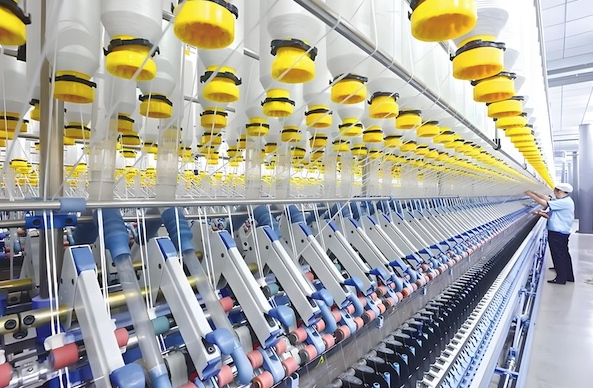
In today’s rapidly evolving textile industry, functional yarn has emerged as a game-changing innovation that marries performance with environmental responsibility. As manufacturers and consumers alike demand more from their fabrics, the development of advanced functional yarns represents a significant leap forward in textile technology, offering solutions that address both practical needs and ecological concerns.
Functional yarn refers to specialized textile fibers engineered to possess specific properties beyond basic aesthetics and comfort. These innovative yarns are designed with particular functionalities in mind, such as moisture-wicking, temperature regulation, UV protection, or enhanced durability. What sets the new generation of functional yarns apart, however, is their commitment to sustainability without compromising performance.
The modern textile landscape has witnessed a remarkable transformation in functional yarn production. Leading manufacturers now offer recycled polyester yarns that transform post-consumer plastic waste into high-quality fibers, reducing landfill burden and conserving natural resources. Dope-dyed functional yarns represent another breakthrough, incorporating color during the polymer extrusion process rather than in traditional wet dyeing methods. This approach significantly reduces water consumption, energy usage, and chemical discharge, making it an environmentally superior alternative.
Perhaps most notably, the development of antimony-free functional yarns addresses health concerns associated with traditional polyester production. By eliminating this potentially harmful catalyst from the manufacturing process, these yarns offer a safer option for both workers and end consumers. Additionally, the emergence of biodegradable functional yarns presents a solution to the persistent problem of textile waste, breaking down naturally at the end of their lifecycle and leaving minimal environmental impact.
The applications for these advanced functional yarns span across numerous sectors. In activewear and sportswear, moisture-wicking and quick-drying properties enhance comfort during physical activity. In outdoor textiles, UV-resistant and durable functional yarns extend garment life while protecting the wearer. Even in everyday fashion, these innovative fibers contribute to clothing that maintains its appearance and functionality over time, reducing the need for frequent replacement.
As sustainability becomes an increasingly critical consideration in consumer purchasing decisions, functional yarn manufacturers continue to push the boundaries of what’s possible. By combining eco-friendly production methods with high-performance characteristics, these innovative materials are reshaping our expectations of textiles. The functional yarn revolution represents not just a technological advancement, but a fundamental shift toward a more sustainable and responsible textile industry—one fiber at a time.
