

Introduction
Greener packaging is no longer just a buzzword. For many manufacturers, it’s a requirement. Combining cast stretch film with PVA water soluble shrink wrap gives you a practical route to reduce residue, simplify returns, and meet environmental goals without sacrificing protection.
This article explains how these two film types work together, their environmental benefits, and where this pairing makes real sense in production and shipping.
Understanding PVA water soluble shrink wrap
PVA water soluble shrink wrap dissolves in cold water within seconds to minutes and leaves no residue. It’s ideal for applications where the packaging needs to disappear during disposal or processing, like detergent tablets or certain industrial components.
Because it’s heat-shrinkable, PVA offers tight, wrinkle-free presentation and secure containment during dry handling. Then, at the end of life, it dissolves cleanly in water.
Why cast stretch film remains essential
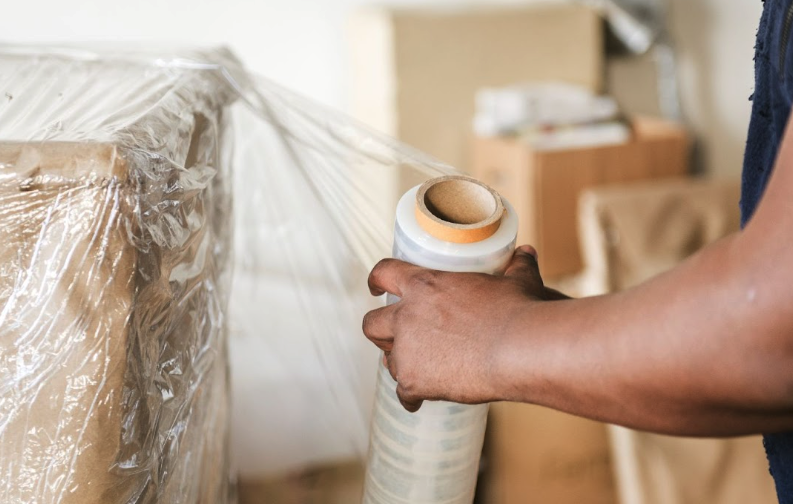
Cast stretch film secures pallets and keeps packed goods stable during transport. It works with automatic wrappers, provides high transparency for inspection, and gives predictable adhesion. For palletized shipments, cast film is the workhorse that keeps everything in place.
Pairing it with PVA gives you localized, residue-free protection where needed and reliable pallet containment where required.
Where this pairing makes sense
If you manufacture items that benefit from protective single-item presentation and then join them into pallets, use PVA shrink wrap for the individual pieces and cast for the pallet. For example, small packaged goods that should remain pristine for retail display can be shrunk with PVA, then those units can be palletized with cast stretch film.
This approach is common in industries where hygiene and residue-free disposal matter, or when customers prefer packaging that won’t foul processing equipment during returns.
Environmental upside
PVA’s ability to dissolve without leaving toxic residue is a clear sustainability win. It reduces cleanup time and avoids microplastic contamination in certain disposal streams. Cast stretch film, particularly when optimized for high pre-stretch and uniform gauge, reduces material use per pallet.
Together, they lower material waste and simplify end-of-life handling for products that require both individual wrapping and palletization.
Operational tips for combining them
When using PVA for product-level shrink and cast for palletization, sequence operations so the PVA-treated items cool and stabilize before palletizing. Shrink tunnels operate at high temperatures, so allow time for items to return to room temperature to avoid moisture condensation under the cast film.
Also make sure your packing line accounts for PVA’s behavior in storage. PVA can be sensitive to humidity, so store rolls properly and handle them according to supplier guidelines.
Cost and logistics balance
PVA water soluble shrink wrap can cost more per meter than traditional shrink films, but its benefits often show up in reduced cleaning, improved product appearance, and easier returns processing. Cast film is cost-effective for pallets and, when used efficiently, keeps per-pallet costs low.
Assess the total cost of ownership: include labour, inspection, returns handling, and disposal costs, not just raw film price.
Customer experience and compliance
Using PVA for product presentation can improve customer perception by showing attention to eco-friendly packaging. Some markets and buyers actively prefer dissolvable packaging for certain product categories. At the same time, cast film keeps shipments secure in transit, reducing damage claims.
If regulatory compliance around packaging waste is a concern in your markets, document the PVA’s biodegradability and dissolution specifications to share with customers.
Conclusion
Pairing PVA water soluble shrink wrap with cast stretch film gives you a solid, greener packaging workflow: tight, residue-free product-level protection plus robust pallet containment. It’s practical, it scales, and it addresses both presentation and sustainability. If your products need pristine single-item wrapping and strong transit security, try the combo and measure the benefits across returns, damage rates, and customer feedback.
